
The Proposed Blacks Creek Data Center
Data centers are getting a lot of attention these days, and the proposed project near Blacks Creek Reservoir south of Boise is no exception. Since our last update exactly one month ago, we've continued looking at and talking with our fellow industry partners about what this proposal could mean for Idaho's public lands, wildlife, and natural resources. While the project remains in its early stages, there are a few important questions worth keeping in mind.
The proposal from Rhea Data, a subsidiary of Arevia Power, could include a roughly 4-million-square-foot data center complex on thousands of acres of BLM-managed public land. Preliminary reports have also described a potential natural gas power plant and additional electrical infrastructure nearby. However, the BLM has cautioned that details such as the project's total acreage, design, and power generation plans have not been finalized. The agency anticipates opening a formal public scoping period as the environmental review process gets underway.
One of our biggest concerns is how development could affect wildlife beyond the project footprint. The surrounding landscape provides important summer and winter range for pronghorn, and the broader area supports bird migration, including birds of prey. Research on other types of large-scale energy development has found that impacts on pronghorn can extend beyond the developed area itself. We need a better understanding of how wildlife uses this particular landscape and how buildings, roads, fencing, lighting, and other infrastructure could affect habitat and movement.
Water is another major question. We don't yet have clear information about how much water the facility would require, where that water would come from, or what cooling systems would be used. In this arid part of Idaho, understanding whether the project would rely on groundwater, another water source, or a combination of options is essential. We also need to understand the potential effects on the surrounding aquifer and other users who depend on those resources.
There is still a lot we don't know, and that is exactly why a thorough environmental review and meaningful public involvement matter. As the proposal moves forward, we will be watching for more information about wildlife, water, energy needs, and public access. We'll continue sharing updates as we learn more, because decisions about Idaho's public lands deserve careful consideration of the resources and opportunities those lands provide.
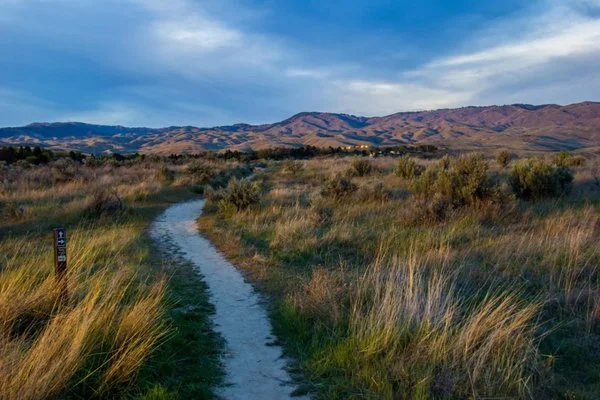
Photo of the Boise Foothills, courtesy of BLM.
