What the Forest Service Restructuring Could Mean for Idaho
By: Jordanne Stetter, IWF Communications Coordinator
Earlier this week, the U.S. Department of Agriculture announced a major restructuring of the U.S. Forest Service, including plans to relocate its headquarters from Washington, D.C. to Salt Lake City, Utah. Along with the move, the agency outlined a series of structural changes intended to shift leadership and operations closer to the landscapes and communities it manages.
Since the announcement, we’ve heard a number of questions from people across Idaho wondering what this could mean for our forests, wildlife, and the outdoor traditions we all care about, and frankly, we have the same questions. At this stage, there are still a lot of unknowns, but there is enough information to start understanding the direction of the plan and the potential implications.
The proposed changes go beyond just relocating headquarters. The USDA has also outlined a broader restructuring of how the Forest Service is organized and operates, including:
Moving toward a state-based leadership model
Closing or consolidating regional offices
Centralizing certain functions, including research
Adjusting how decisions are made and implemented across the agency
The stated goal behind these changes is to improve efficiency and bring leadership closer to the lands and communities the Forest Service manages, particularly in the western United States, where the majority of National Forest System lands are located.
In addition to these national changes, the restructuring moves the Forest Service toward a more state-based leadership model, increasing the role of local leadership in guiding decisions. This shift is intended to bring management closer to the ground, where conditions on the landscape can be addressed more directly. However, moving away from the current regional structure raises questions about how coordination will function across broader landscapes and whether consistency in management will be affected.
At the same time, changes of this scale will bring challenges. Shifts in organizational structure can result in the loss of experienced staff and institutional knowledge, both of which are important to long-term forest management. There are also open questions about how consolidating research functions may affect the science that informs land management decisions, as well as how the closure of regional offices will impact coordination across landscapes that extend beyond state boundaries. Because many of the details around implementation are still being worked out, it’s difficult at this point to fully understand the long-term effects on agency capacity, partnerships, or outcomes on the ground.
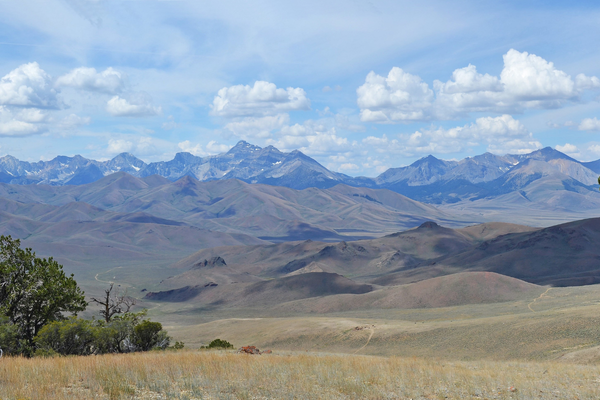
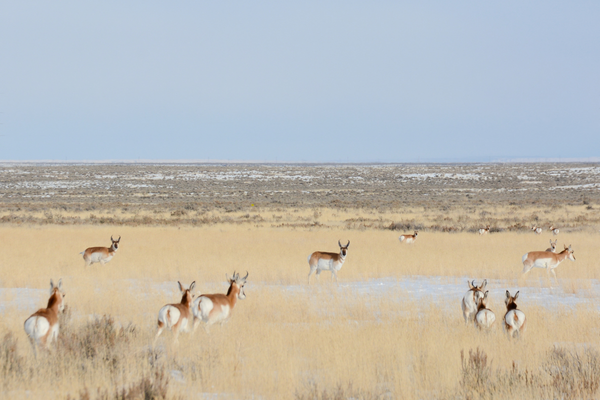
For Idaho, the Forest Service plays a central role in managing the landscapes that define our state. From providing wildlife habitat to supporting hunting and fishing opportunities, to reducing wildfire risk and maintaining access to public lands, the agency’s work has a direct impact on the things our communities value most.
Any changes to how the Forest Service is structured could influence how those responsibilities are carried out. But as of now, the real-world impacts of this restructuring are still uncertain and will depend heavily on how it is implemented. As this unfolds, we will continue to share accurate information and assess implications for our forests here in Idaho.
Picture Credit: Jason Kauffman, Alpenglow Press Productions